Nine platforms for showing art in a 3D space, tested hands-on across ownership, ease of use, free tiers, and cost — with each one’s real pros and cons, including the cases where another tool is the better choice.
Disclosure
We make OpenVGal. This is an honest comparison written by its creator, who personally tested almost every platform here — and it names where we’re not the right fit. The goal isn’t to trash the commercial options; several are genuinely good tools.
The state of the field, 2026
No landlord, no subscriptions, no surprises.
Most platforms talk about democratising art, then quietly replicate the scarcity of a physical show: rooms are small, uploading 10–15 works is fine but 300–1,000 is essentially impossible, and almost every option is architected for galleries and curators rather than independent artists with large bodies of work.
The deeper problem is ownership. After all the uploading, arranging, and customising, if the platform raises prices, gets acquired, or shuts down, you can’t pack up and move — you start from scratch. Over three years a $100/month bill becomes $3,600+ for something you don’t even own.
Each platform was judged on what actually matters to an artist: creation flow, visual quality, ease of use, ownership and licensing, portfolio capacity, and subscription cost — plus the questions a matrix usually skips. What happens to your galleries if the company shuts down? Do they take a license to your work?
costs are the most expensive paid tier per platform · reviewed 2026
Platform by platform
Tested hands-on, the honest write-up
OpenVGal
★★★★★
Built by an artist, for artists who want full ownership
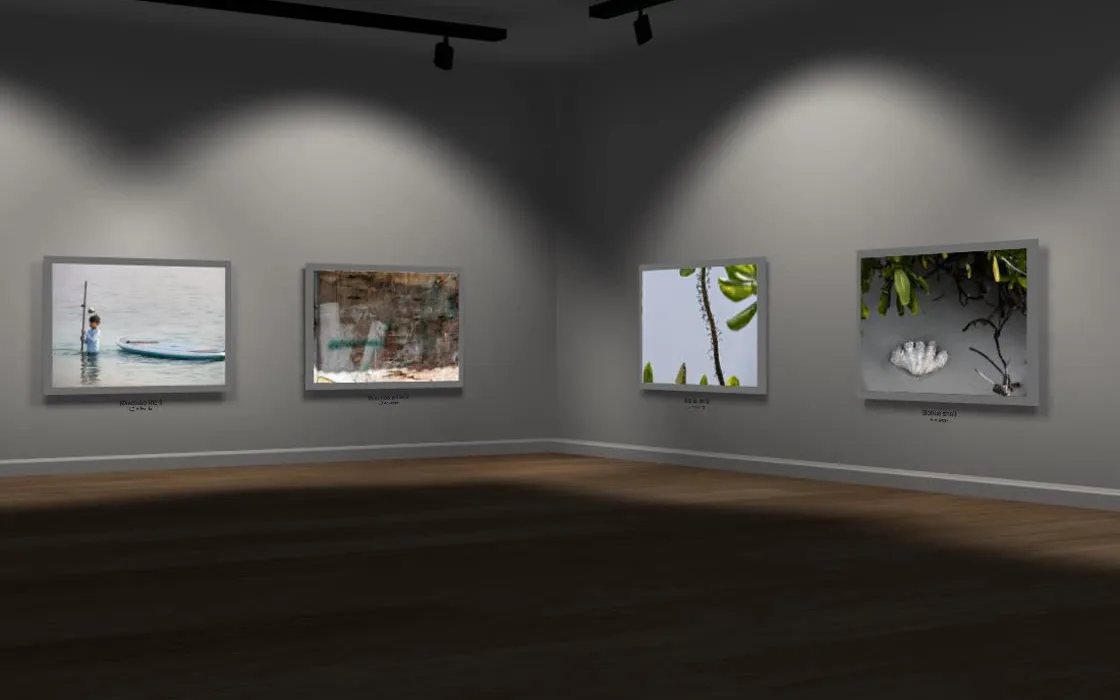
Free to build locally forever, MIT-licensed, and testable without an account — the only option here you can self-host and keep if we ever disappear. We make it, so judge the rest on their own merits: among the alternatives, Virtual Art Gallery has the smoothest template-to-result flow; for architectural-grade fidelity, Shapespark wins. Pay us only if you want a permanent hosted URL.
Captured September 2026.
What it delivers
Each folder of images becomes a gallery room automatically
Live 3D preview with automatic artwork placement — no manual positioning
One-click, self-contained ZIP you can host anywhere
MIT licensed: use commercially, embed, modify, keep it forever
Built for 1,000+ image portfolios, not 10-artwork demos
What it doesn't do
No built-in e-commerce
No AR wall-preview mode
No VR headset support
Kunstmatrix
★★☆☆☆
Mature, institutional, friction-heavy
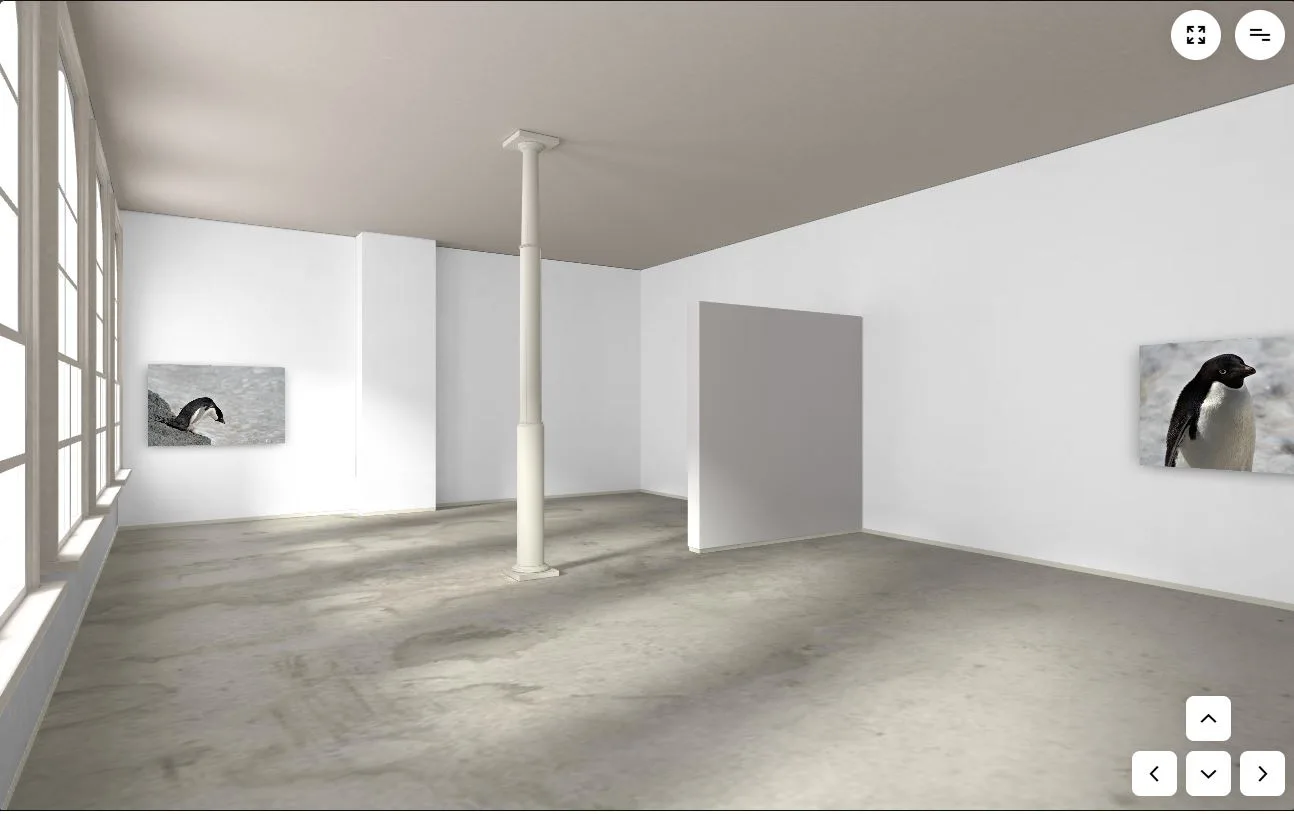
One of the most established platforms, running since 2009 out of Germany — real galleries and institutions use it, and performance is solid even on lower-end hardware. The friction is the upload flow and the caps: images go in one by one or via a CSV you maintain yourself, and every plan sets a maximum number of artworks.
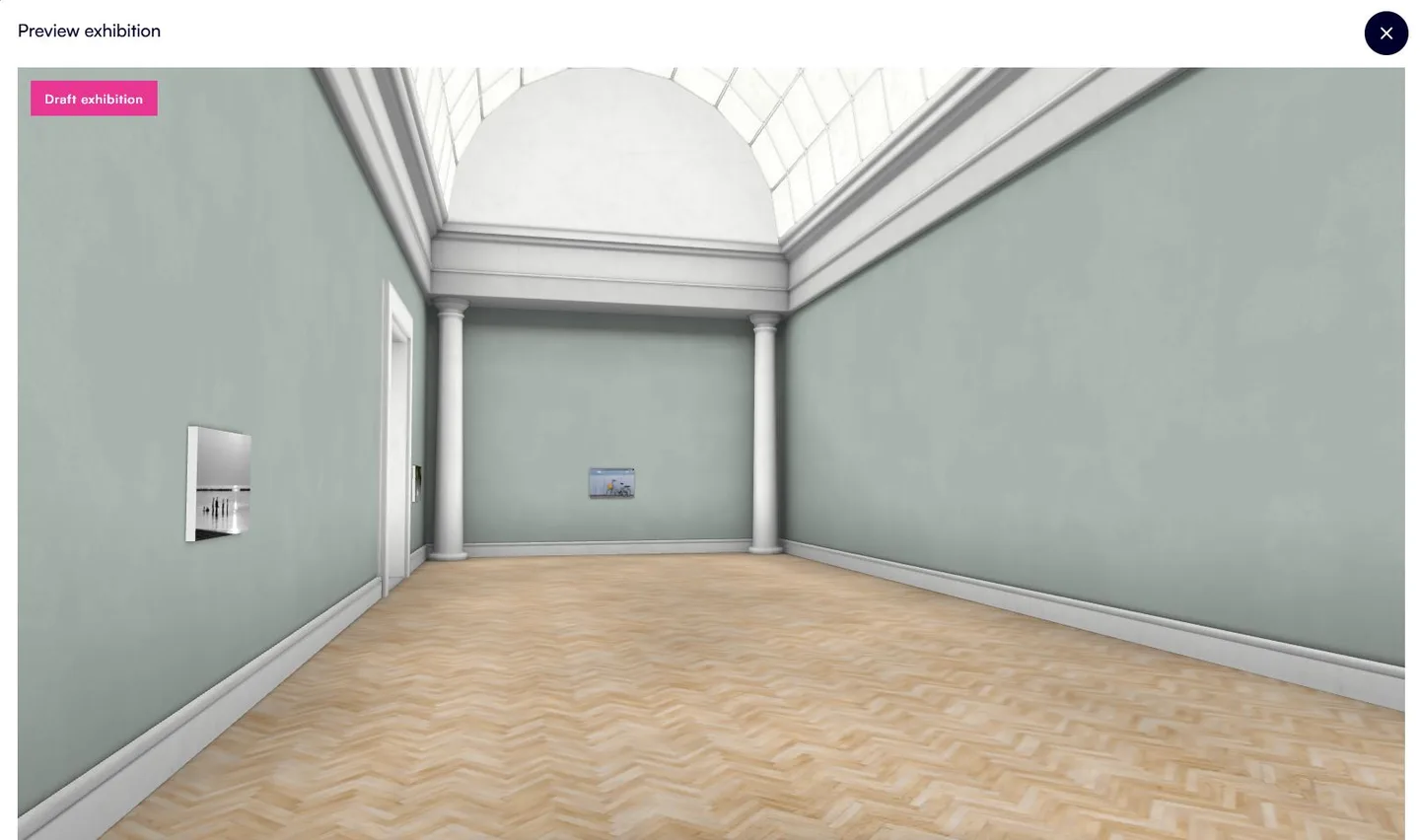
Launched in 2008, among the very first 3D gallery builders — but it shows its age. There is no free tier, only a 7-day trial. Images upload one by one (you even enter height first), placement is unintuitive, and the result is visually average and sluggish to navigate. At $100/month it is the most expensive option here for the value delivered.
How the 7-day trial room looks. Captured September 2026.
Pros
Artwork inquiry system
Cons
Poor performance
Outdated interface
$100/month starting price
Only 5 templates
No free tier
ArtPlacer
★★☆☆☆
Locked ecosystem, no free tier
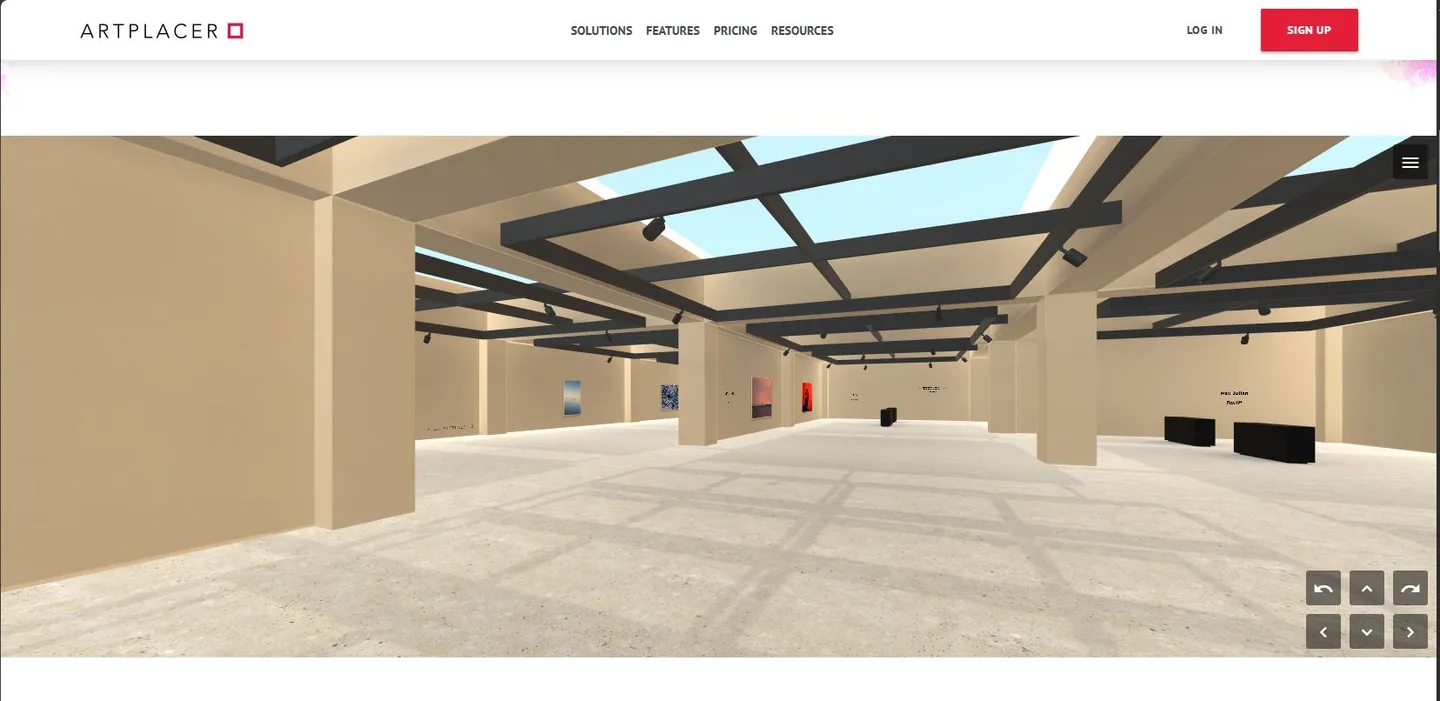
New York, 2019. The templates look good, but movement in the 3D space feels oddly constrained and the interface aspect ratio is an unusual choice. The 7-day trial requires payment information upfront, and even the maximum plan caps at just 80 artworks — limiting for working artists with large catalogues.
Captured September 2026.
Pros
Smooth performance
Good templates
Cons
No free tier
Payment required for trial
80-artwork cap on max plan
Proprietary lock-in
Artsteps
★☆☆☆☆
Feature-rich, performance-poor
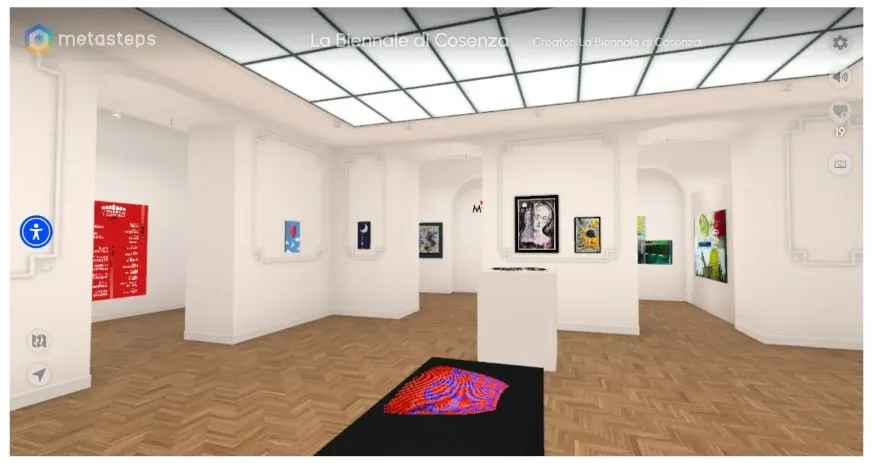
Claims a million users and offers the most customisation of any platform reviewed — but loading times are long, the interface is tedious, and performance is poor on average hardware. The free tier is generous on storage yet only publishes galleries for two weeks, which fundamentally undermines the idea of a permanent portfolio. New work is now pushed to its successor, Metasteps.
Started as a hobby project, with a Foyer/Wings room structure and automatic placement that genuinely resemble OpenVGal's approach. The catch: login requires an Adobe ID with no alternative, visual output is rudimentary, and some template-level settings (like texture scale) are exposed as end-user options. Lightroom integration is a real plus for photographers in the Adobe stack.
Pros
Automatic artwork placement
Lightroom integration
Built-in shop
Cons
Adobe ID required
Visually basic
Primitive customisation options
Virtual Art Gallery
★★★☆☆
Smoothest flow among the alternatives
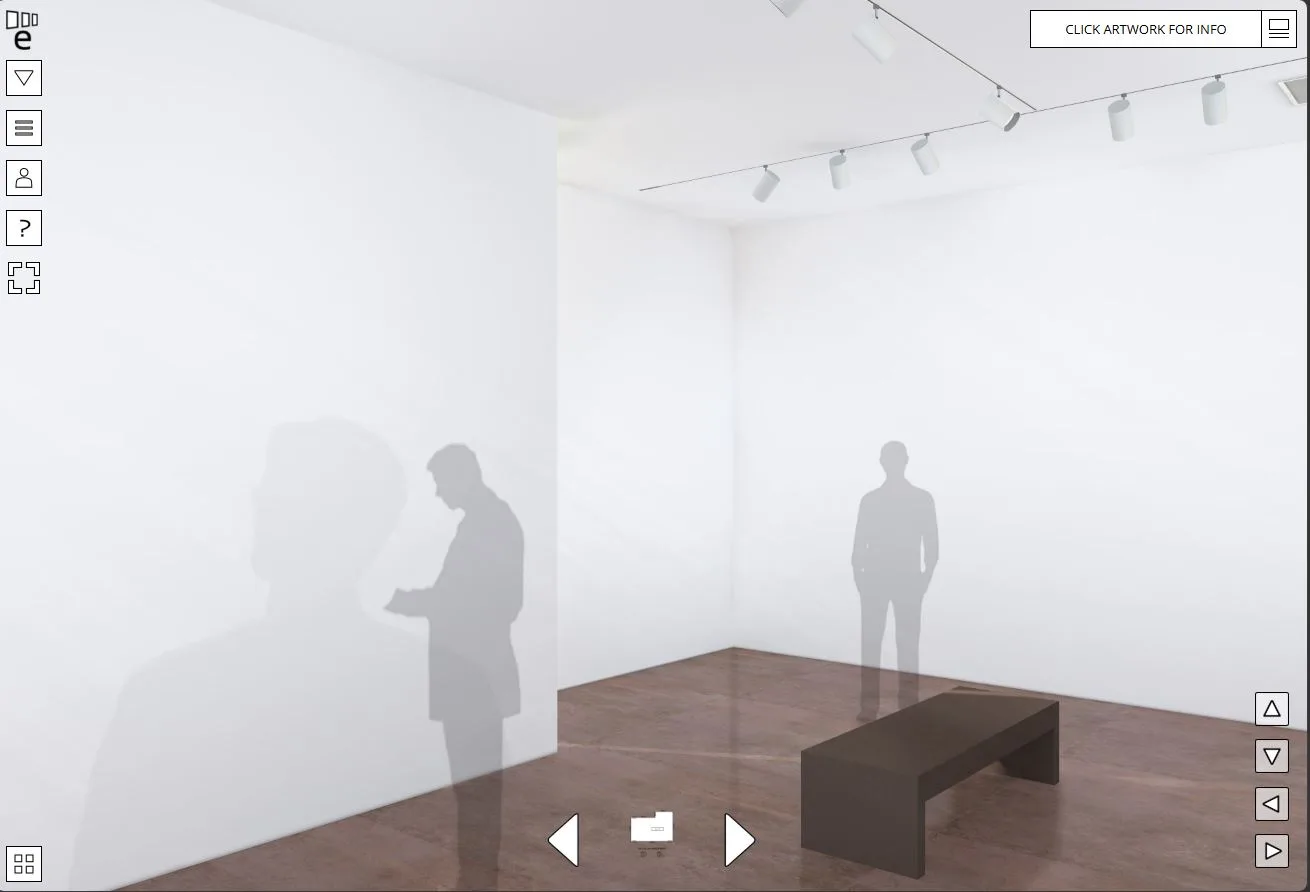
Finland's Muser Oy has the smoothest creation flow of the alternatives reviewed: choose a template, upload artworks, see the result immediately, customise later. The web design is modern and the process is genuinely approachable, and there is a free tier for testing — held back only by small room templates and slightly stiff movement.
Captured September 2026.
Pros
Excellent user flow
Free tier
Modern web design
Reasonable starting price
Cons
Small room templates
Awkward movement mechanics
Platform lock-in
Anasaea
★★☆☆☆
Art marketplace with gallery features
A US platform that positions itself as an art marketplace with 3D exhibition capabilities. The free tier allows only 3 artworks and 2 templates, which makes real evaluation hard, but the paid-tier templates look impressive and performance appears strong. Worth exploring if marketplace features matter as much as the gallery itself.
Pros
Good-looking paid templates
Solid performance
Marketplace integration
Cons
Very limited free tier (3 artworks)
Standard upload friction
Platform lock-in
Shapespark
★★☆☆☆
Best visual quality, wrong audience
Built for architectural visualisation, with the best 3D quality of anything reviewed and excellent performance even in complex scenes. The tradeoff: you install a desktop 3D editor, the learning curve is steep, and self-hosting only comes on the 260 €/month Premium plan. Compelling for an architect who also makes art; overkill for an artist who just wants a portfolio.
Pros
Outstanding 3D visual quality
True self-hosting option
Professional 3D editor
Cons
Built for architects, not artists
Requires desktop software installation
Very steep learning curve
260 €/month for self-hosting
Others worth noting
A few more platforms didn’t make the full review — inaccessible, in transition, or built for a different use case.
E Virtual Gallery
Spain. Impressive customisation in demo videos, but I couldn't create a gallery after sign-up. 10 artworks free, up to 1,000 on premium.
Oncyber
My original inspiration for OpenVGal, but it appears to be in transition — its parent company was dissolved around the end of 2024.
Spatial.io
Focuses on live events rather than permanent portfolio galleries — a different use case.
Artland.com
Inaccessible at time of review (site down).
VR-All-Art
Switzerland. Gallery visuals similar to ArtPlacer, but no public sign-up — you contact them for a quote. Targets institutional clients.
Cura3D
Germany. Could not verify any online testing option.
See for yourself — build one in your browser, no account.